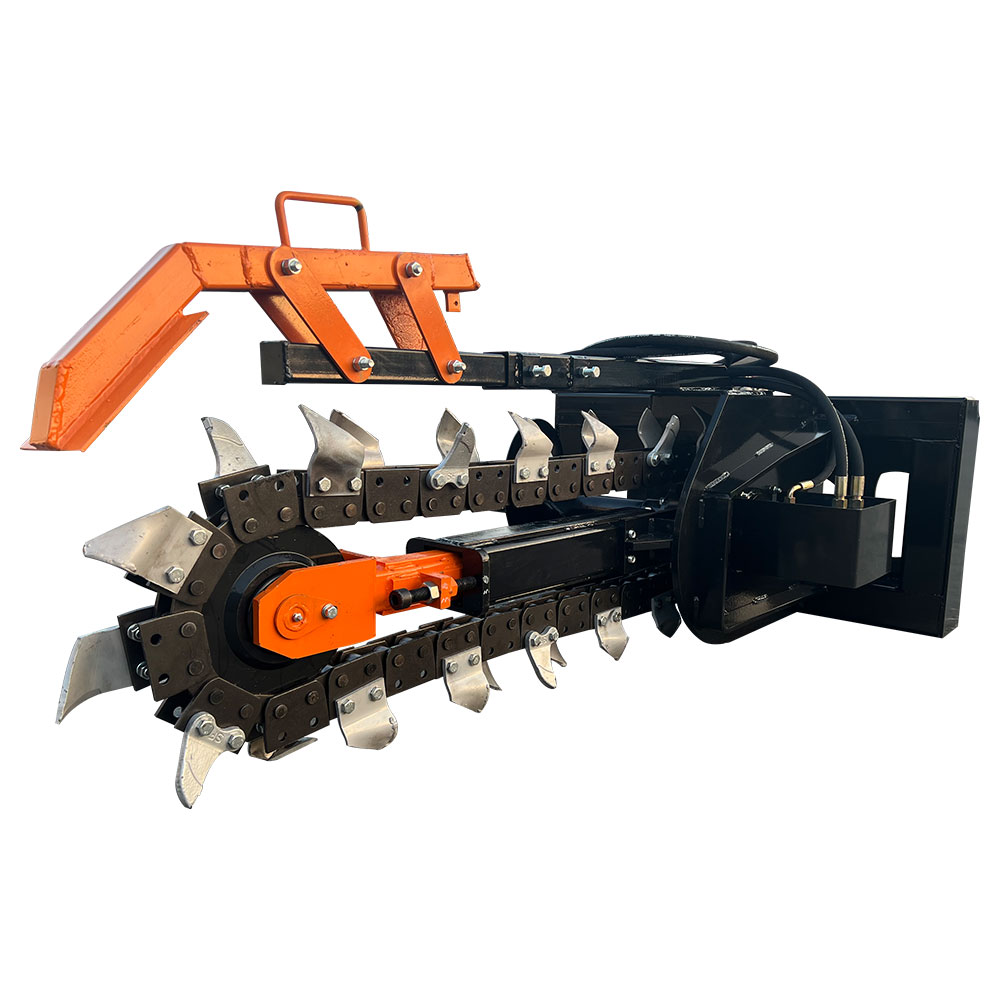
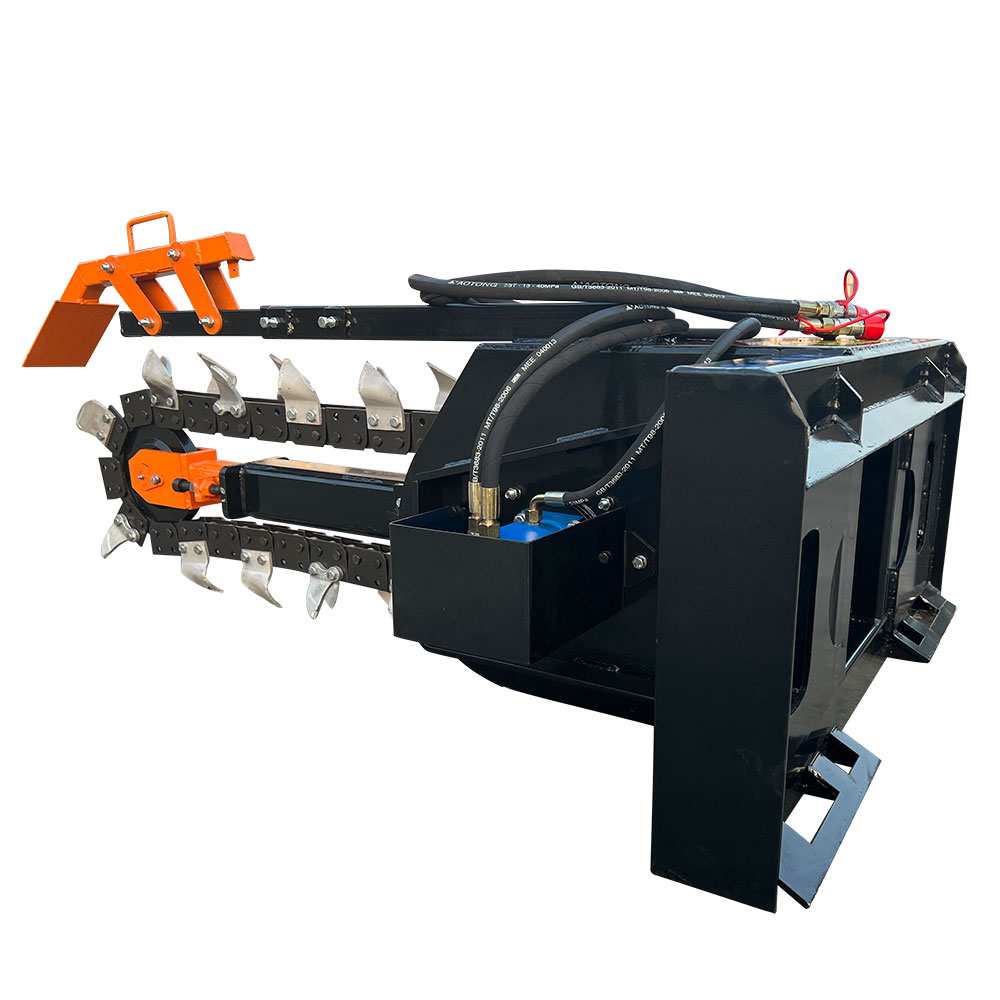
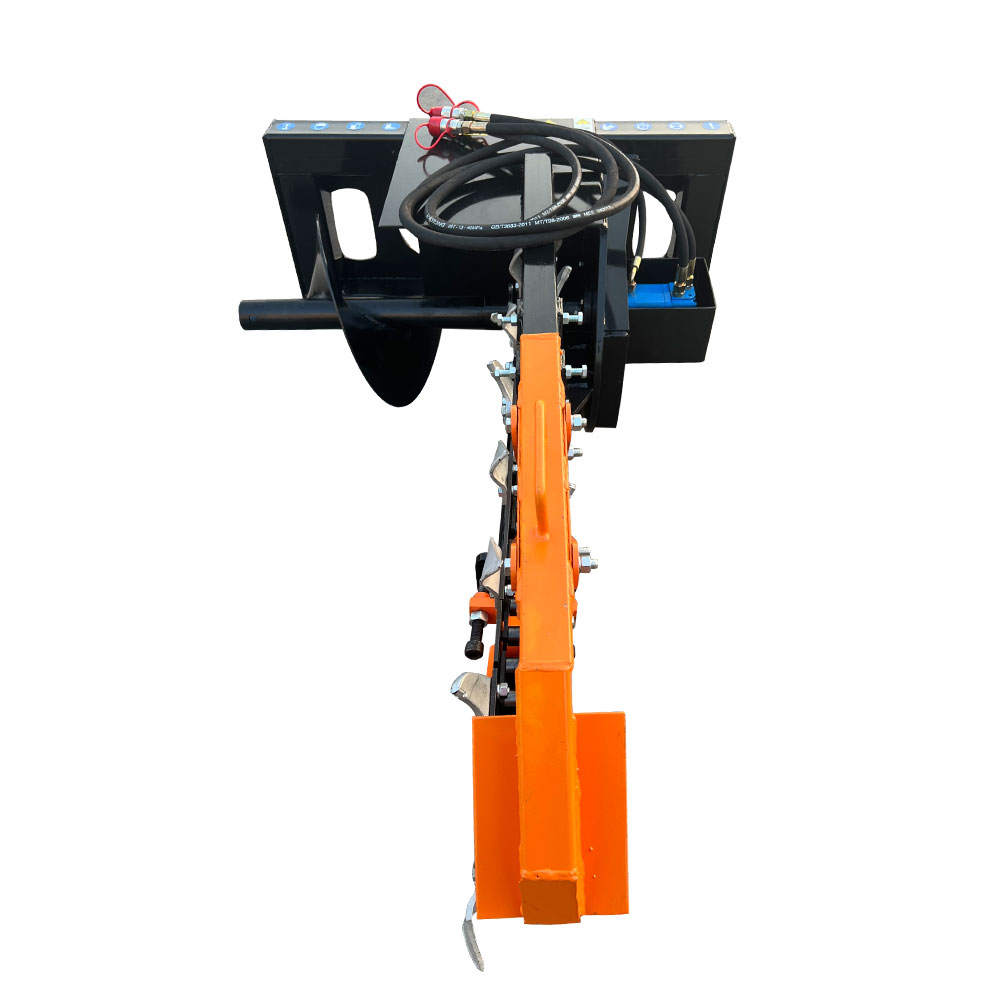
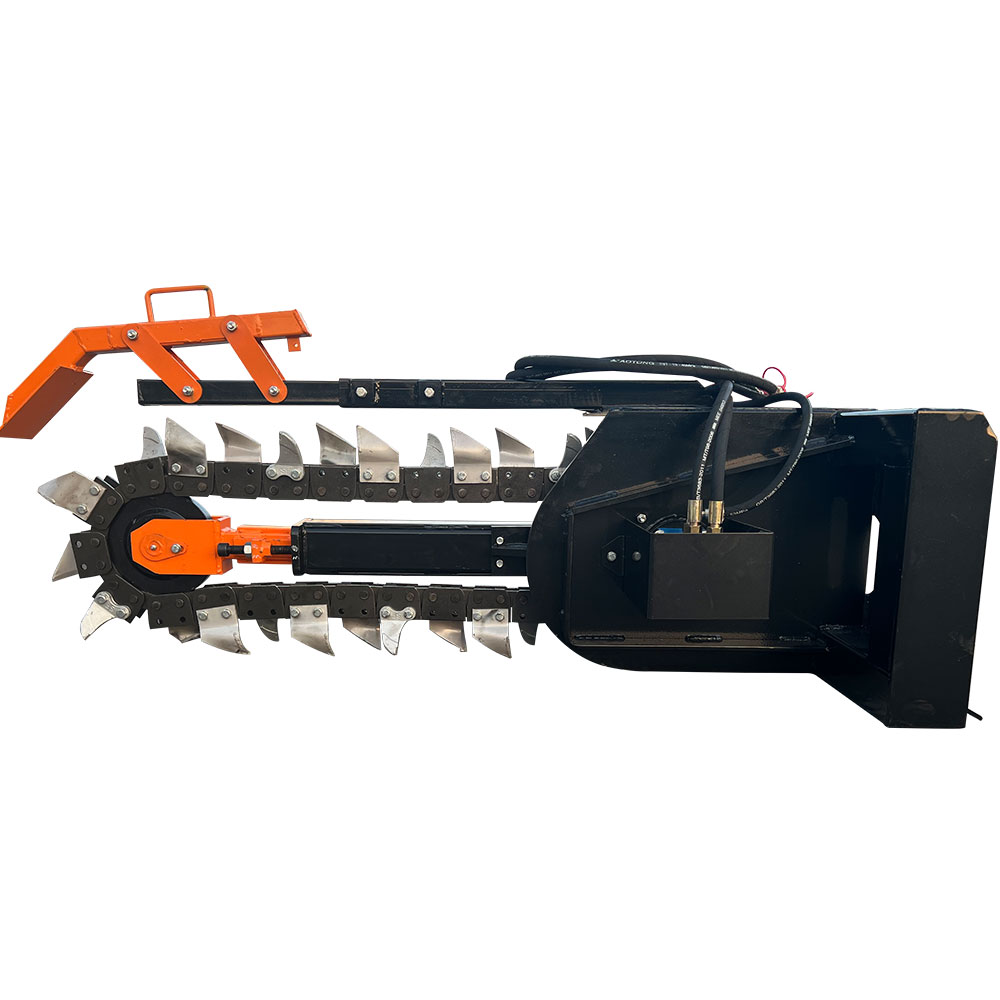
Skid Steer Attachment Chain Trencher
ECSSCT72 Operations:
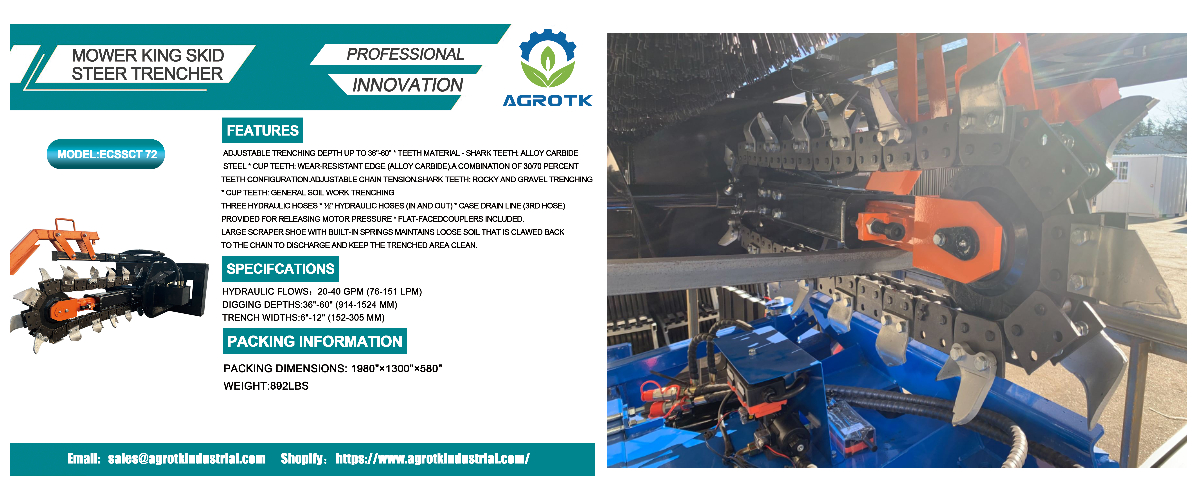
Designed for high flow hydraulic systems.
Operates with hydraulic flows between 20-40 gpm (76-151 lpm).
Trencher is available in 36"-60" (914-1524 mm) digging depths
6"-12" (152-305 mm) trench widths.
Product Details
Feature:
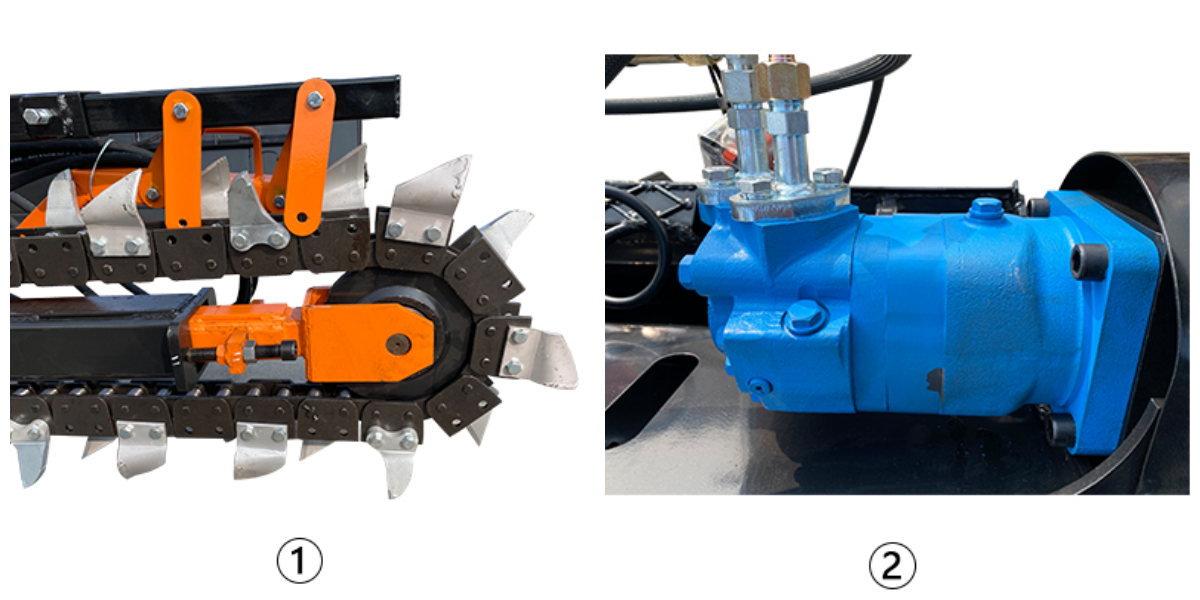
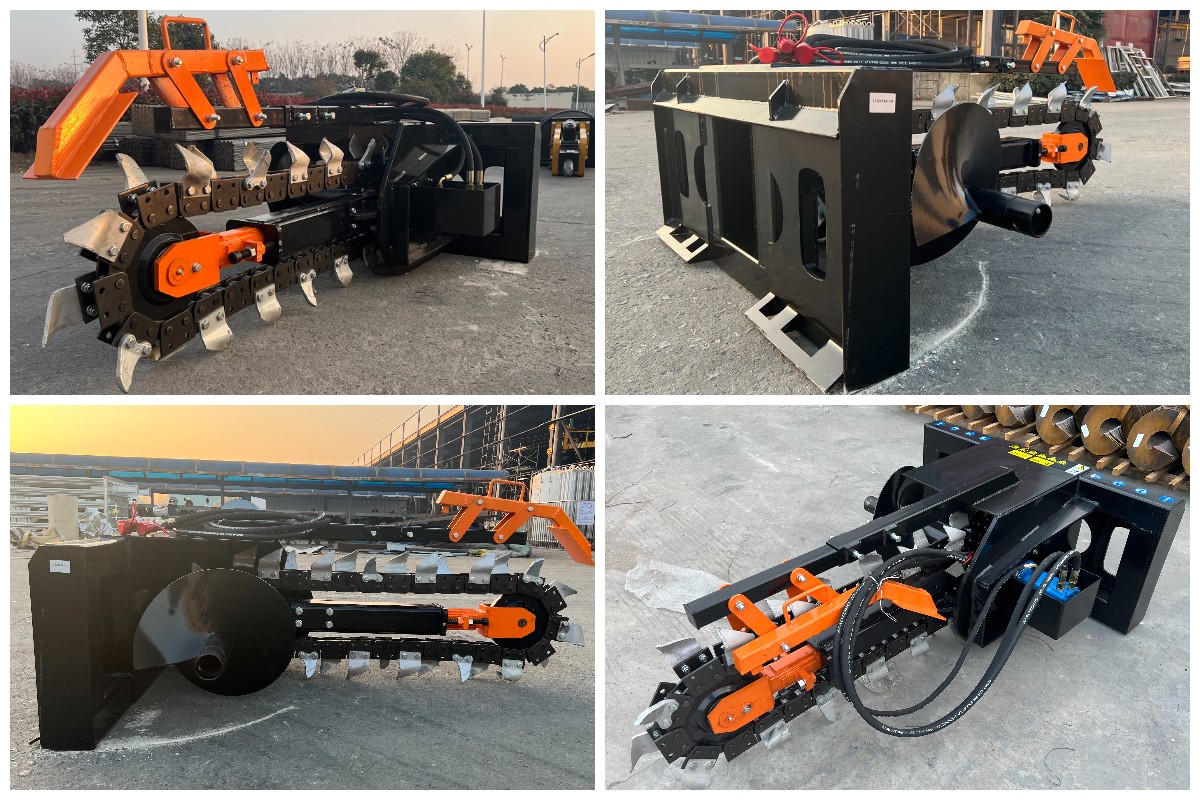
A combination of 30/70 percent teeth configuration.Adjustable chain tension.
Shark teeth: Rocky and gravel trenching * Cup teeth: General soil work trenching.
2.Three hydraulic hoses * ½" hydraulic hoses (In and Out) * Case drain line (3rd hose) provided for releasing motor pressure *Flat-faced couplers included.
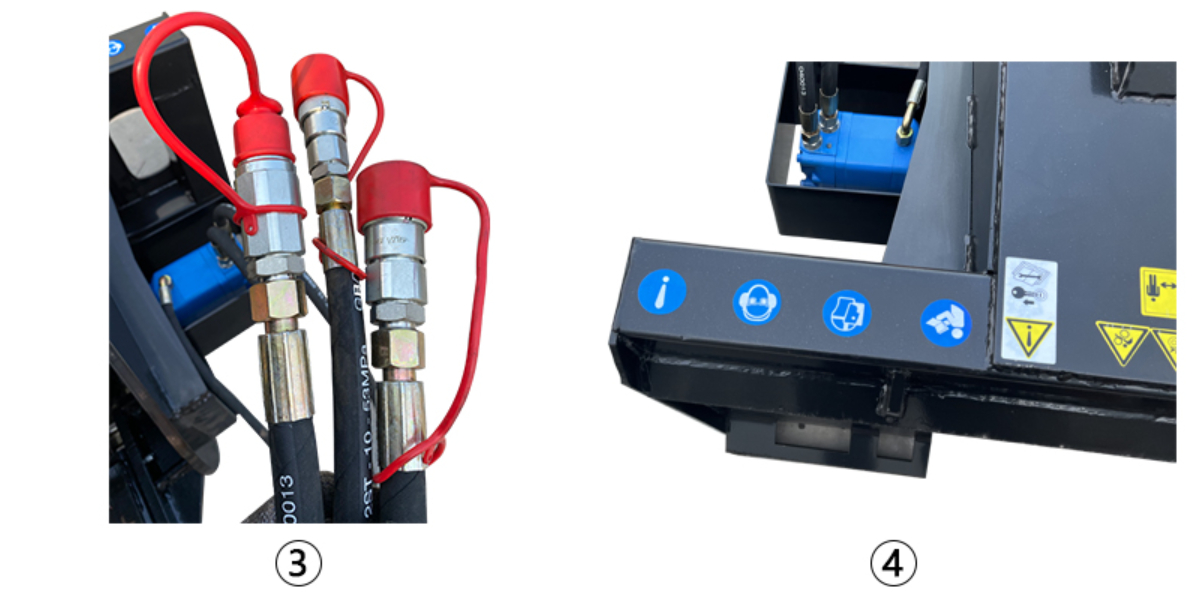
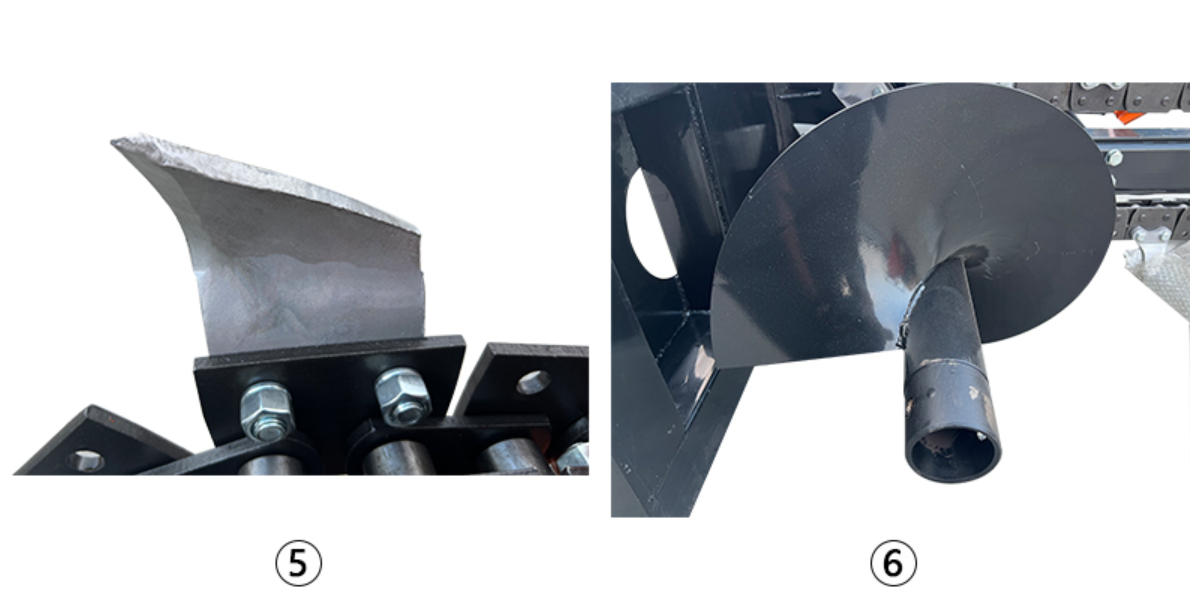
3.Large scraper shoe with built-in springs maintains loose soil that is clawed back to the chain to discharge and keep the
trenched area clean.
Product Specifications
Technical Details | Additional Information |
MODEL | ECSSCT72 |
Hydraulic flows | 20-40 gpm (76-151 lpm) |
Digging depths | 36"-60" (914-1524 mm) |
Trench widths | 6"-12" (152-305 mm) |
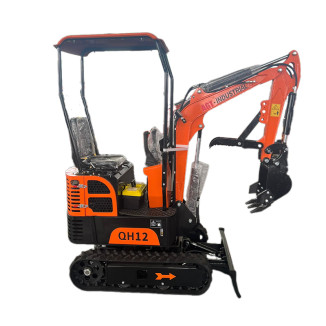
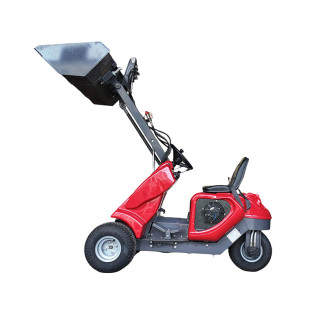
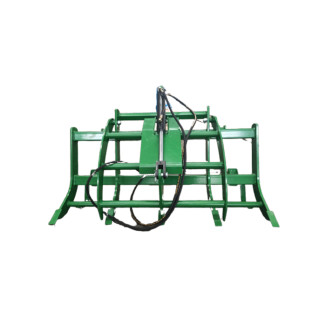
Applications of Skid Steer Hydraulic Multi-Directional Brush Cutter
 Packaging & Shipping
Transportation Options
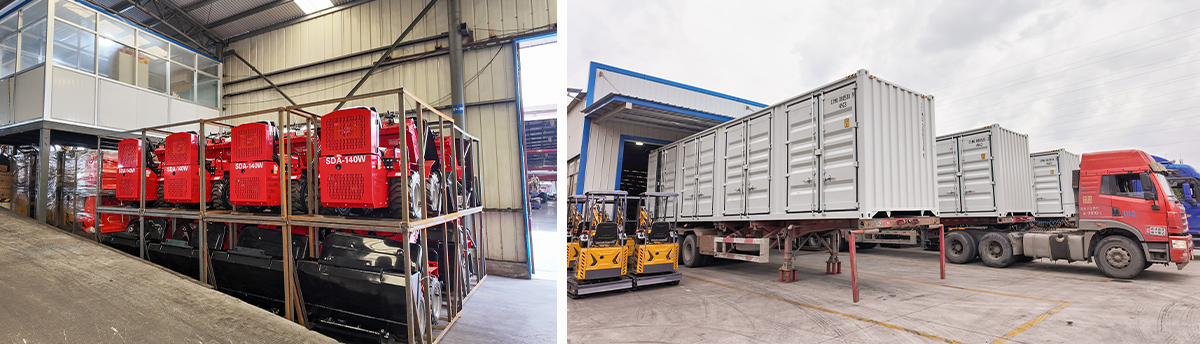
The ECSSCT72 attachment is prepared for shipment in a sturdy metal frame. It can be transported either as a complete packaged unit within a standard shipping container or consolidated in batches using secure transport racks. Container shipping provides superior protection from moisture, dust, and vibration during transit.
Packaging Solutions
Enclosed Wooden Crate: Offers full encapsulation for the entire machine or critical assemblies, ideal for extended-distance or export shipments. Safeguards against weather exposure and handling impacts.
Open Metal Frame: Employs a welded metal structure to safely immobilize the equipment, optimizing space efficiency and simplifying loading procedures. Recommended for consolidated multi-unit deliveries.
Component Protection: Vulnerable areas—including hydraulic cylinders, control interfaces, and tires—are shielded with foam padding or protective wrapping to prevent abrasion and impact damage.
Secure Loading Protocol
All equipment is firmly anchored to its designated crate or frame before dispatch to eliminate any risk of movement during handling and transit. Multiple smaller units may be safely stacked, while larger models are transported individually. Final packaging and securing are completed prior to departure.